


Spaying, Neutering, and Other Surgeries
Table of Content
Veterinary surgery is one of the core specialties at Südalinna Veterinary Clinic. Our modern operating theater, along with advanced anesthesia and monitoring equipment, allows us to perform lengthy surgeries even on senior pets or patients in critical condition. In addition to emergency and complex procedures, we perform routine elective surgeries every day, such as spaying and neutering for dogs, cats, and other pets.
Your pet’s well-being, pain management, and safety are our top priorities, both during the procedure and throughout their recovery.
Routine Surgeries – Spaying and Neutering Dogs and Cats
Spaying and neutering pets helps prevent serious health and behavioral issues later in life.
Spaying and Neutering Cats
For cats, it is recommended to perform the procedure before they reach sexual maturity, typically from six months of age.
Neutering a male cat prevents territorial urine marking. The procedure is quick, and animals generally recover by the very next day. Spaying a female cat eliminates heat cycles and unwanted litters. Early spaying also reduces the likelihood of developing mammary tumors and uterine infections later in life.
Spaying and Neutering Dogs
The right time to spay or neuter a dog depends on their breed, size, and individual development. We recommend consulting with a veterinarian to determine the ideal timing, but based on expected adult weight, the general guidelines are as follows:
- Small breed dogs (up to 10 kg): 6 to 9 months of age
- Medium breed dogs (11–25 kg): 9 to 12 months of age
- Large breed dogs (over 25 kg): 12 to 18 months or even later, allowing the dog’s skeleton and joints to fully develop with the support of sex hormones.

Neutering a male dog helps prevent prostate diseases and testicular tumors, while also preventing or reducing testosterone-driven behavioral issues. Spaying a female dog stops heat cycles, prevents unwanted pregnancies, and eliminates the risk of life-threatening uterine infections (pyometra). Similar to cats, early spaying (before the first or second heat cycle) significantly reduces the risk of mammary tumors in their senior years.
Spaying and Neutering Rabbits
It is highly recommended to spay or neuter your rabbit as soon as they reach sexual maturity, typically between four and six months of age.
Neutering male rabbits significantly reduces hormone-driven aggression, territorial behavior, and urine spraying. The procedure is low-risk, and most rabbits return to their normal routine within just a few days. Spaying female rabbits prevents unwanted litters and false pregnancies. More importantly, timely spaying protects your pet from uterine cancer and infections—the risk of which is exceptionally high in older, unspayed rabbits.
Important pre-op care: Unlike cats and dogs, rabbits have a unique metabolism and must not be fasted before surgery. Please ensure your rabbit has full access to food and water right up until your arrival at the clinic.
Tumor Removal
Tumors in pets broadly fall into two major categories: benign (such as lipomas, histiocytomas, papillomas) and malignant (such as lymphomas, mast cell tumors, melanomas, hemangiosarcomas, adenocarcinomas, osteosarcomas).
The first step with any tumorous growth is to identify exactly what it is, as subsequent treatment depends on the diagnosis.
Benign tumors (such as lipomas or fatty tumors) do not always require immediate removal. Surgery becomes necessary if the growth becomes too large and begins to restrict movement, or if it ulcerates. An open lesion will discharge pus, and topical wound care will not resolve it because the underlying tumor tissue remains. Surgical removal is the only way to permanently fix the problem.
If the tumor is malignant and well-defined, surgical removal is the most effective treatment. This allows the tumor tissue to be excised with clean, healthy margins. However, some malignant tumors cannot be operated on. For example, lymphoma is a systemic disease that requires chemotherapy. Surgery may also be counterproductive if X-rays or ultrasounds reveal that the cancer has already metastasized to the lungs or other organs.
For more detailed information on tumor types, diagnosis, and treatment, please visit our oncology page.
Orthopedic Surgeries
Orthopedic surgery focuses on treating conditions affecting your pet’s bones, joints, tendons, and ligaments. Our services include both trauma-related fracture repair and elective procedures, such as cranial cruciate ligament (CCL) repair and patellar luxation correction.
Joint problems often show in changes to your pet’s behavior, including:
* Limping or favoring a leg;
* Reluctance to jump or climb stairs;
* Decreased interest in play and exercise.
If you notice any mobility issues, please schedule an orthopedic consultation so we can identify the cause and find the best solution for your pet.
Emergency Surgery and Traumatology
We provide surgical treatment for sudden, life-threatening injuries. During emergency surgery, our priority is performing life-saving procedures, including:
- Controlling internal and external bleeding
- Repairing damaged internal organs
- Treating critical conditions, such as gastric dilatation-volvulus (GDV/stomach bloat) and pyometra (uterine infection)
- Resolving intestinal blockages and removing swallowed foreign objects from the digestive tract
- Managing extensive bite wounds by cleaning, removing damaged tissue, and suturing.
How to Prepare Your Pet for Surgery
To ensure your pet’s safety, it is critical that their stomach is empty during anesthesia. This prevents vomiting and related complications during the procedure.
Current guidelines recommend the following:
- Adult dogs and cats: Stop feeding 6 to 8 hours before the scheduled surgery.
- Puppies, kittens, and toy breeds: Fasting windows are shorter for young or very small pets.
- Water access: Fresh drinking water should be available throughout the night but must be removed 2 hours before arriving at the clinic.
Please consult our veterinary team for specific instructions.
You can bathe your dog a day or two before the procedure, as clean skin and fur reduce surgical risks. Additionally, the wound must not get wet for some time after the surgery.
If your pet takes daily medication, consult with your vet regarding whether to administer it on the day of the surgery.
Before coming to the clinic, take your dog on a calm walk, as this will make them feel more comfortable once they arrive.
Post-Operative Home Care for Pets
A pet recovering from anesthesia will be groggy and needs a warm, quiet bed on the floor (not on a couch or bed where they could fall off) to recuperate. Food and water should only be offered once the animal is fully awake and walking steadily.
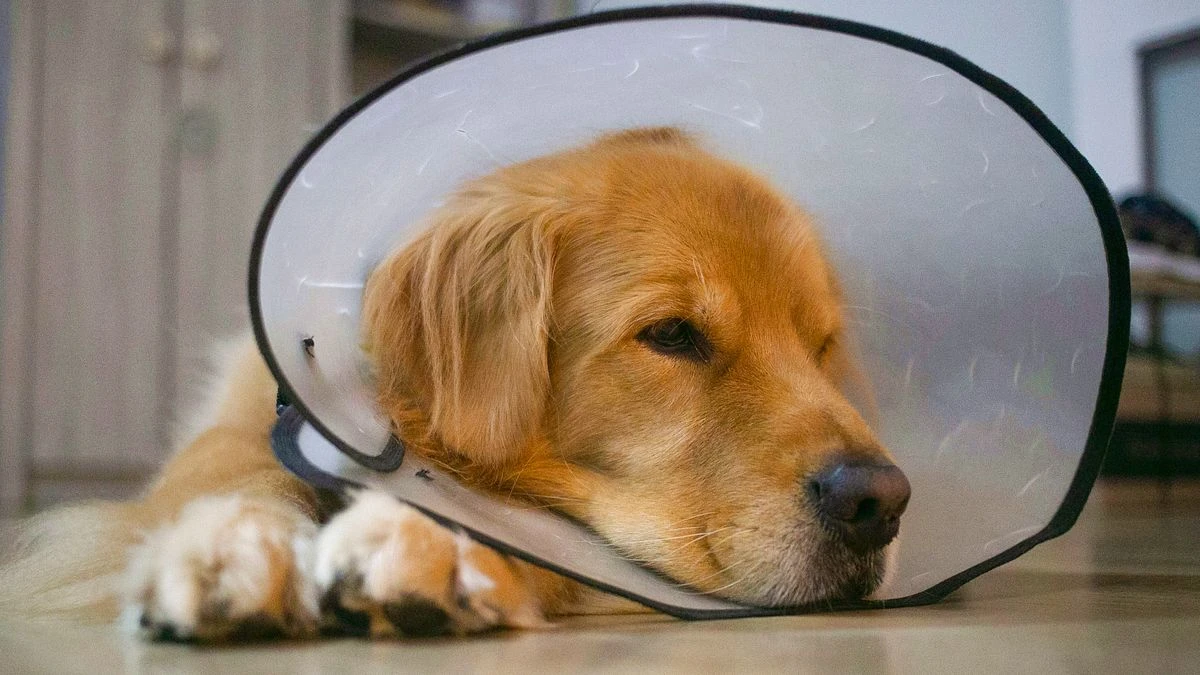
Your pet must not lick the wound. To prevent wound infections and torn stitches, a protective collar (e-collar) or a post-operative recovery suit must be worn consistently.
Check the incision site a couple of times a day. A normal wound should look clean and dry. Mild redness and slight swelling are common during the first few days. Do not clean the wound, apply creams, or get it wet yourself unless explicitly instructed by the veterinarian.
Above all, your pet needs quiet rest to heal properly. Avoid running, jumping, walking up and down stairs, and playing with other animals.
Medications must be administered strictly according to the vet’s instructions. Do not end the course of medication early, even if your pet seems completely recovered. Never give human painkillers to your pet, as they are toxic and life-threatening to animals.
Contact the clinic immediately if:
- The wound is bleeding, discharging pus, or has a foul odor;
- The stitches have come undone or the wound has torn open;
- The animal is lethargic and refuses food or water for more than 24 hours;
- The animal is whining or showing other signs of severe pain.
